Bring Holiday Cheer to Your Designs with the Singing Typeface
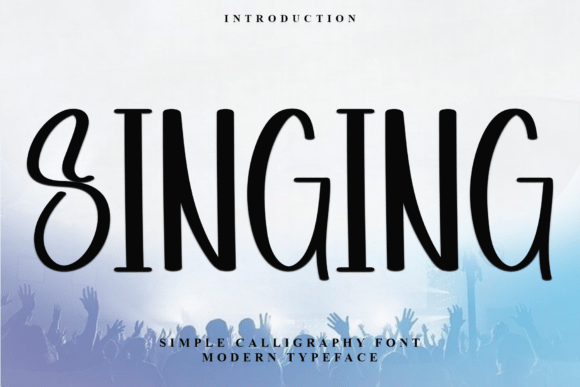
Typography plays a crucial role in setting the tone and emotion of a design. When it comes to holiday-themed projects, choosing the right font can make all the difference. The Singing typeface is a whimsical, festive font that brings a sense of joy and nostalgia to your creative work. Whether you're designing greeting cards, gift tags, or digital holiday greetings, Singing adds a touch of magic that resonates with the spirit of the season.
What Makes Singing Stand Out?
Singing is more than just a decorative font — it's a carefully crafted typeface designed to evoke the warmth and merriment of the holidays. Its standout features include:
- Ornate letterforms with hand-drawn charm
- Playful ligatures and alternate characters for a custom look
- PUA encoding, making all glyphs and special characters easily accessible
- Seasonal versatility across Christmas, Hanukkah, New Year, and winter celebrations
The font’s decorative elements are subtle enough to remain readable, yet bold enough to convey a sense of celebration. This balance makes Singing ideal for both print and digital media where clarity and charm are equally important.
How Singing Enhances Holiday Design Projects
Designing for the holidays often involves blending tradition with creativity. Singing helps you achieve this by offering a nostalgic aesthetic that feels both familiar and fresh. Here are some practical ways to use this font:
- Greeting Cards: Use Singing for headlines or holiday greetings to instantly set a cheerful tone.
- Gift Tags: Add a personal touch to handmade gift tags with this festive font.
- Invitations: Whether for a holiday party or a family gathering, Singing brings a warm and elegant flair.
- Social Media Graphics: Stand out in crowded feeds with holiday-themed posts and stories using Singing.
Its ornate style works best when used for short phrases or titles rather than long paragraphs, ensuring readability while maximizing visual impact.
Why PUA Encoding Matters for Designers
One of the most practical features of the Singing typeface is that it's PUA encoded. For designers, especially those who aren’t familiar with advanced font tools, this means easy access to all the font’s special characters, ligatures, and alternate glyphs — without needing special software or workarounds.
With PUA encoding, you can simply open the font in standard design programs like Adobe Illustrator, Photoshop, or even Canva, and immediately use all the decorative elements Singing offers. This level of accessibility makes it a favorite among hobbyists and professionals alike.
Integrating Singing into Modern Design Workflows
While Singing has a classic, hand-crafted feel, it fits seamlessly into modern design workflows. Here's how different types of creators can benefit:
- Graphic Designers: Ideal for seasonal branding, packaging, and promotional materials.
- Print-on-Demand Creators: Perfect for mugs, t-shirts, and ornaments that celebrate the holidays.
- Digital Artists: Works beautifully in digital illustrations, social media templates, and online greeting cards.
- Small Business Owners: Use it in holiday marketing materials to stand out and connect emotionally with customers.
Its compatibility with major design platforms ensures that Singing can be used across a variety of mediums without technical hurdles, making it a versatile tool in any designer’s kit.
Pairing Singing with Other Fonts
Because Singing is so decorative, it shines best when paired with simpler, more neutral fonts. Consider these combinations for a balanced and professional look:
- Headline: Singing
Body Text: A clean sans-serif like Helvetica or Montserrat - Accent Text: Singing
Main Text: A serif font like Georgia or Playfair Display
This contrast ensures that your design remains readable while still capturing the festive spirit Singing is known for.
When to Use Singing — and When to Avoid It
Singing is perfect for seasonal projects that aim to evoke warmth, joy, and tradition. However, it may not be suitable for every context. Consider using it when:
- You're designing for a holiday event, such as Christmas, New Year, or Hanukkah.
- Your project requires a festive, handcrafted aesthetic.
- You want to add a personal or nostalgic touch to your design.
On the other hand, avoid using Singing in:
- Professional or formal documents where clarity and neutrality are key.
- Long-form text where legibility might be compromised.
- Non-holiday branding where the font’s seasonal vibe could feel out of place.
Real-World Examples of Singing in Action
Let’s look at a few scenarios where Singing can elevate your design:
- Handmade Holiday Cards: Use Singing for the main greeting and pair it with a minimalist background to let the font shine.
- Online Holiday Markets: Vendors selling seasonal goods can use Singing in product titles and descriptions to evoke a festive mood.
- Event Invitations: Wedding planners or party hosts creating holiday-themed events often choose Singing for its elegant yet playful appeal.
These examples show how versatile and effective Singing can be when used in the right context.
Final Thoughts on Choosing Singing for Your Holiday Designs
In a world where visual communication is key, typography choices matter more than ever. The Singing typeface offers a perfect blend of charm, readability, and seasonal spirit. Whether you're a seasoned designer or just starting out, incorporating Singing into your holiday projects can elevate your work and connect with your audience on an emotional level.
With its PUA encoding, decorative elements, and ease of use, Singing is more than just a holiday font — it's a valuable asset for anyone looking to add a touch of enchantment to their designs. So this season, let your words sing with the magic of Singing.