Decarox: Elevating Design with Sophisticated Serif Typography
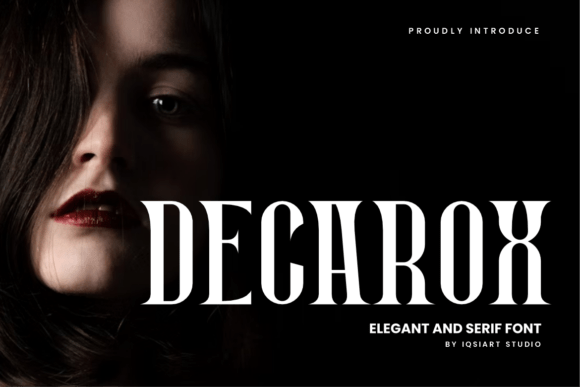
Typography plays a pivotal role in how audiences perceive visual content. Decarox stands out as a high-contrast serif font that merges elegance with dramatic flair, making it a compelling choice for designers aiming to create a bold yet refined impression. Its sharp vertical strokes and sculptural letterforms are not just stylistic choices—they’re tools for communication that can elevate branding, editorial work, and fashion-forward visuals.
Why Typography Matters in Modern Design
In today’s visually driven world, the right font can make or break a design. Fonts are more than just letters on a page; they carry tone, personality, and intent. Decarox is specifically crafted to convey sophistication and presence, making it ideal for projects where visual impact and aesthetic refinement are critical. Whether used in print or digital formats, Decarox supports a designer’s goal of delivering clarity and style in a single package.
Decarox in Branding: Building a Distinct Visual Identity
Brand identity relies heavily on consistency and emotional resonance. Decarox’s high-contrast design and sculptural qualities lend themselves well to logo creation and brand typography. It’s particularly effective for luxury brands, lifestyle companies, and creative studios that want to project both modernity and timelessness. Its refined curves and stylized cuts allow for a unique visual signature that helps a brand stand out in a crowded marketplace.
Editorial Layouts: Enhancing Readability and Aesthetic Appeal
For editorial designers, the challenge is to balance legibility with visual interest. Decarox excels in headline use, offering strong visual hierarchy without sacrificing elegance. While it may not be suited for long body text due to its high contrast and stylistic nature, it works exceptionally well in magazine covers, editorial headers, and feature titles. The font’s dramatic presence can draw readers in and set the tone for the content that follows.
Practical Benefits of Using Decarox in Design Projects
Designers often seek fonts that are versatile yet distinctive. Decarox delivers on both fronts by offering a luxurious aesthetic that remains contemporary. Here are some practical ways it can enhance your design workflow:
- Visual Hierarchy: Its strong contrast and sculptural design make it perfect for creating focal points in layouts.
- Time Savings: Because of its inherent elegance, Decarox often requires minimal additional styling, streamlining the design process.
- Brand Consistency: When used across marketing materials and digital assets, Decarox reinforces a cohesive and upscale brand image.
- Creative Flexibility: It pairs well with minimalist design elements, allowing for a balance between bold typography and clean layouts.
Who Benefits Most from Decarox?
Decarox is particularly valuable for professionals in creative industries such as fashion, publishing, and luxury branding. Graphic designers working on high-end campaigns, art directors crafting editorial spreads, and entrepreneurs building premium brand identities will find Decarox especially useful. It’s also a strong contender for marketers and content creators who want to elevate their visual storytelling without relying on overused typefaces.
Real-World Applications and Recommendations
Consider the following scenarios where Decarox can deliver meaningful results:
- Fashion Campaigns: Use Decarox for campaign headlines and lookbook titles to evoke a sense of sophistication and modernity.
- Luxury Packaging: Incorporate the font into product labels or packaging design to communicate premium quality and elegance.
- Editorial Covers: Apply Decarox in magazine or journal covers to command attention while maintaining typographic integrity.
- Brand Logos: When designing a logo that needs to convey both strength and refinement, Decarox offers a unique blend of contrast and form.
Choosing Decarox Over Other Fonts
While many serif fonts aim to capture elegance, Decarox distinguishes itself through its dramatic flair and sculptural quality. It sits at the intersection of traditional serif design and contemporary typographic artistry. Designers who want to avoid generic, overused fonts will appreciate its originality and the visual storytelling it enables.
That said, Decarox may not be suitable for every project. Its high contrast and stylized cuts make it less ideal for small text sizes or extended reading formats. In such cases, pairing it with a more legible sans-serif for body text can create a balanced typographic system.
Integrating Decarox into Your Design Workflow
Incorporating Decarox into your design toolkit can be a strategic move, especially if your projects demand visual impact and a touch of luxury. Here are a few tips to make the most of it:
- Use It Sparingly: Let Decarox shine as a headline or accent font rather than overusing it across all design elements.
- Pair Thoughtfully: Combine it with neutral, modern sans-serif fonts to create contrast and balance within your layout.
- Test Across Mediums: Ensure its dramatic look works both in print and digital formats by previewing it in different contexts.
- Align with Brand Tone: If your brand voice is bold and refined, Decarox will naturally align with that identity.
Final Thoughts: When Decarox Makes a Difference
Typography is more than a design detail—it’s a strategic choice that influences perception and engagement. Decarox empowers designers to communicate with confidence and style. Whether you're crafting a luxury brand identity, designing a compelling editorial cover, or curating a high-fashion campaign, Decarox brings a distinctive presence that supports your creative vision. By understanding its strengths and appropriate applications, you can harness its full potential to elevate your work and connect more effectively with your audience.