Eat Boss: The Friendly Font Redefining Modern Design
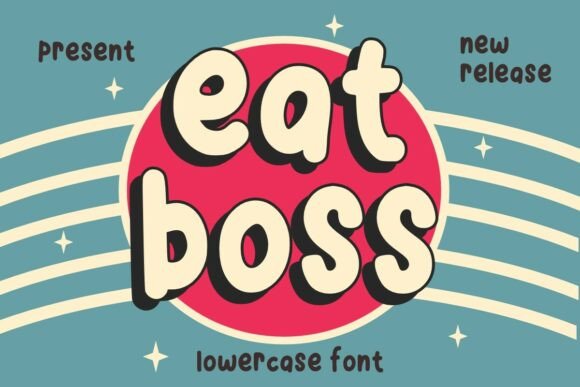
In a world where typography plays a crucial role in how messages are received, Eat Boss emerges as a breath of fresh air. This lowercase and cute display font is more than just visually appealing—it's a functional design choice that communicates warmth and approachability. Whether you're designing a book cover, crafting digital content, or preparing a presentation, Eat Boss offers a unique blend of readability and charm that resonates with today’s audiences.
Why Eat Boss Stands Out in a Crowded Font Landscape
Designers and content creators are constantly seeking typefaces that not only capture attention but also enhance the emotional tone of their work. Eat Boss delivers on both fronts. Its lowercase structure gives it a casual, non-intimidating feel, while its rounded edges and balanced proportions ensure legibility across different formats and sizes.
Unlike many display fonts that sacrifice clarity for style, Eat Boss maintains a clean and accessible appearance. This makes it especially effective for projects that require a human touch—think greeting cards, social media graphics, or branding materials for small businesses and creative entrepreneurs.
The Rise of Approachable Typography in Digital Communication
As digital communication continues to evolve, so do the visual languages we use to connect with audiences. In recent years, there has been a noticeable shift toward more personable and emotionally resonant design elements. This trend is particularly evident in branding, marketing, and user interface design, where friendliness and accessibility are increasingly valued.
Eat Boss fits seamlessly into this movement. Its soft, inviting aesthetic aligns with the growing preference for authenticity over formality. Whether used in a startup’s logo or a blogger’s newsletter header, this font helps establish a tone of warmth and trust—qualities that are essential in building meaningful audience relationships.
Practical Applications Across Creative Industries
One of the most compelling aspects of Eat Boss is its versatility. While it excels in print-based crafts and greeting cards, its digital adaptability makes it a strong contender for web and mobile applications. Here are a few practical use cases:
- Book covers: Ideal for children’s literature, memoirs, or lifestyle guides where a soft, engaging tone is desired.
- Presentation slides: Adds personality to title slides and infographics without compromising readability.
- Brand identities: Perfect for wellness brands, boutique shops, or creative studios looking to project a friendly, down-to-earth image.
- Social media visuals: Enhances the appeal of quotes, captions, and promotional graphics on platforms like Instagram and Pinterest.
How Eat Boss Meets the Needs of Modern Creators
Creative professionals today are expected to produce high-quality content at a rapid pace. Tools and assets that streamline this process—like well-designed fonts—are more valuable than ever. Eat Boss supports modern workflows by offering a consistent, easy-to-incorporate design element that requires minimal tweaking.
Freelancers, marketers, and educators alike can benefit from its intuitive appeal. For instance, a small business owner launching a new product line might use Eat Boss in promotional materials to convey a sense of approachability and care. Similarly, a teacher designing digital learning resources could leverage the font to create a more welcoming and engaging experience for students.
The Evolution of Cute Typography and Its Design Implications
While “cute” fonts have historically been dismissed as overly playful or unprofessional, recent years have seen a renaissance in their use. Designers are now embracing soft, personable typography as a legitimate tool for storytelling and emotional connection. This shift reflects broader cultural changes, including a growing emphasis on mental well-being, personal expression, and community-driven branding.
Eat Boss sits at the intersection of this evolution. It challenges outdated notions about the seriousness of design while offering a polished, professional alternative to more rigid typefaces. As more brands and creators seek to humanize their visual identities, fonts like Eat Boss are becoming essential components of modern design kits.
Choosing the Right Context for Eat Boss
While Eat Boss is a versatile font, it’s best suited for projects that benefit from a lighthearted or nurturing tone. It may not be the ideal choice for legal documents or formal reports, but for creative and consumer-facing applications, it shines. Designers should consider pairing it with more neutral fonts to maintain visual balance, especially in longer-form content.
When using Eat Boss in digital formats, it’s also important to test legibility across different screen sizes. While its rounded forms are aesthetically pleasing, they should complement—not compromise—the user experience. A thoughtful approach to spacing and contrast can help ensure optimal readability.
What the Future Holds for Friendly Fonts
As design continues to prioritize inclusivity and emotional intelligence, fonts like Eat Boss are likely to become even more relevant. The rise of AI-driven design tools and customizable typefaces may further expand the possibilities for expressive typography, but the core appeal of warmth and clarity will remain timeless.
For now, Eat Boss offers a compelling solution for those who want to infuse their work with personality without sacrificing professionalism. Whether you're a seasoned designer or a hobbyist experimenting with new creative projects, this font has the potential to become a trusted staple in your toolkit.