Horror Struck: The Typeface That Brings Fear to Design
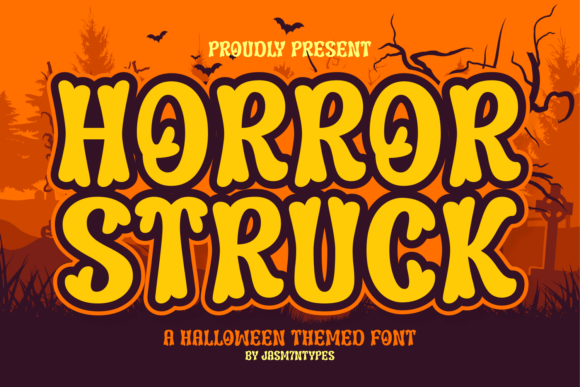
There’s something undeniably magnetic about a font that can evoke spine-chilling sensations with just a few letters. Horror Struck is more than just a typeface—it’s a design tool that channels the eerie essence of Halloween, the supernatural, and the unknown. Whether you're crafting party invitations, horror-themed merchandise, or digital content meant to unsettle and intrigue, Horror Struck delivers a visual punch that’s hard to ignore.
Why Horror Struck Stands Out in a Crowded Typeface Market
In a world saturated with sleek, minimalist fonts, Horror Struck breaks the mold. It leans into jagged edges, uneven baselines, and dramatic serifs that mimic claw marks and ghostly whispers. This isn’t a font for corporate reports or wedding stationery—it’s designed for those moments when you want your typography to scream.
Designers and marketers have long understood that visuals speak louder than words. Typography, often an overlooked component, plays a critical role in setting the tone. Horror Struck capitalizes on this by offering a visceral experience. The font doesn’t just say “spooky”—it feels it.
Aligning with Seasonal and Thematic Design Trends
As consumer interest in immersive experiences grows, so does the demand for design elements that reflect those moods. Halloween, horror films, escape rooms, and themed events have seen a surge in popularity, especially in the post-pandemic creative economy. Horror Struck fits perfectly into this landscape, offering a typographic solution that resonates with modern audiences seeking authenticity and atmosphere.
Seasonal marketing campaigns, particularly around October, benefit immensely from this kind of visual storytelling. Brands looking to create limited-time offers, themed packaging, or event promotions can use Horror Struck to instantly communicate a sense of dread and excitement.
From Print to Digital: Horror Struck in Modern Workflows
While Horror Struck has clear applications in print media—think haunted house signs, horror anthology covers, and seasonal greeting cards—it’s equally effective in digital spaces. Websites, social media graphics, and video thumbnails that utilize the font gain immediate attention, especially during peak horror seasons.
Content creators and YouTubers in the horror niche have begun incorporating Horror Struck into their branding kits. Its legibility at larger sizes and strong visual identity make it ideal for thumbnails and titles. It’s also scalable across platforms, ensuring consistency whether used on a T-shirt or a mobile app.
The Evolution of Horror Typography
Typography has always played a role in horror. From the classic, gothic fonts of early 20th-century pulp novels to the dripping, distorted typefaces of modern slasher films, the evolution of horror-themed fonts mirrors the evolution of the genre itself. Horror Struck builds on this legacy by blending traditional elements with contemporary design sensibilities.
What sets Horror Struck apart is its versatility. Unlike many horror fonts that sacrifice readability for style, Horror Struck maintains a balance. It’s expressive without being illegible, dramatic without being distracting. This makes it a practical choice for both artistic and commercial applications.
Practical Applications for Designers and Marketers
For professionals in the creative industry, Horror Struck opens up a range of possibilities:
- Event Promotion: Use it for Halloween parties, horror film festivals, or immersive theater experiences.
- Merchandise Design: T-shirts, posters, and mugs gain an edgy appeal with this font.
- Brand Identity: Niche brands in the horror, fantasy, or alternative lifestyle markets can incorporate Horror Struck into logos or packaging.
- Editorial Design: Perfect for seasonal magazine covers, horror anthologies, or graphic novels.
Freelancers and small business owners can integrate Horror Struck into their design portfolios to showcase thematic versatility. It’s also a great way to differentiate seasonal campaigns from standard branding, giving audiences a fresh—and frightening—visual experience.
Meeting User Expectations in a Visual-First World
Today’s consumers are visually literate and expect high-quality, emotionally resonant content. Horror Struck meets these expectations by providing a font that’s not only stylistically rich but also contextually appropriate. It aligns with what users anticipate when they see a Halloween-themed graphic or a horror-inspired product.
From a user experience perspective, Horror Struck enhances recognition and recall. A well-placed use of the font can trigger immediate associations with fear, fun, and festivity—especially during October, when themed content dominates digital and physical spaces.
Accessibility and Best Practices
Despite its ornate design, Horror Struck should be used with care. Overuse can lead to cluttered visuals and reduced readability. Here are a few best practices:
- Pair with Simpler Fonts: Use Horror Struck for headlines and pair it with a clean sans-serif for body text.
- Limit Color Choices: Stick to high-contrast color schemes—think white on black or red on gray—to enhance legibility.
- Avoid Overloading Layouts: Let the font be the focal point rather than competing with other graphic elements.
- Test Across Devices: Ensure the font remains legible on mobile screens and at smaller sizes.
The Business Case for Horror Struck
For businesses operating in seasonal or niche markets, Horror Struck represents more than a design choice—it’s a strategic asset. Brands that understand the power of visual storytelling can leverage the font to stand out in crowded markets.
Consider the growing popularity of Halloween-themed pop-up shops, horror streaming platforms, and seasonal product drops. Horror Struck enables businesses to create cohesive, emotionally engaging campaigns that resonate with target audiences. It’s a small design element that can yield big returns in terms of brand recognition and consumer engagement.
Looking Ahead: Horror Struck in the Future of Design
As design trends continue to evolve, the demand for expressive, thematic typefaces like Horror Struck is likely to grow. With the rise of augmented reality, interactive storytelling, and immersive branding, typography must adapt to new formats and expectations.
Horror Struck is well-positioned to remain relevant in this shifting landscape. Its strong visual identity, thematic relevance, and functional flexibility make it a timeless addition to the designer’s toolkit. Whether used for a simple “Boo” message or an entire horror anthology, Horror Struck continues to prove that typography can be just as haunting as the stories it tells.