Madnes Street: A Bold Choice for Urban-Inspired Typography
What is Madnes Street?
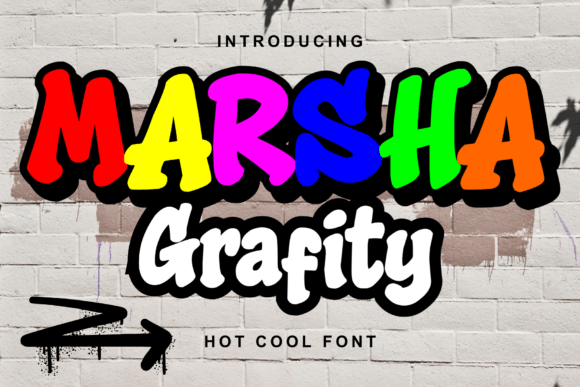
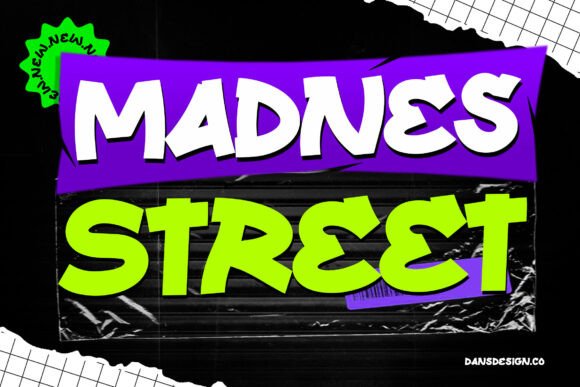
Madnes Street is a high-energy, graffiti-inspired display font designed to capture the essence of street culture and rebellious creativity. It combines the exaggerated boldness of comic book lettering with the raw, chaotic style of urban tagging. Each character is hand-drawn with intentional imperfections, giving it a dynamic and expressive appearance. The font features punchy curves, uneven baselines, and an offbeat visual rhythm that makes it stand out in any design context.
Because of its bold and unconventional nature, Madnes Street isn’t intended for everyday body text or formal design applications. Instead, it’s best suited for headlines, logos, posters, and digital graphics where a strong visual impact is desired. Its aesthetic is infused with a sense of playful defiance and urban edge, making it ideal for creative projects that aim to communicate energy, youthfulness, and authenticity.
Why Consider Madnes Street?
Designers and brand creators often seek typography that conveys a specific tone or attitude. Madnes Street offers a unique combination of boldness and character that can help differentiate a visual identity in a crowded space. It’s especially appealing for those looking to:
- Connect with youth-oriented audiences
- Express a rebellious or non-conformist brand voice
- Create attention-grabbing social media visuals or music covers
- Infuse designs with a sense of authenticity and hand-crafted energy
The font’s graffiti-inspired roots also make it a strong candidate for urban-themed branding, skate culture, streetwear, or event promotions where a loud, confident typographic presence is needed.
Benefits and Design Strengths
One of the most notable strengths of Madnes Street is its visual impact. The font’s heavy strokes and exaggerated forms command attention, making it an excellent choice for titles, logos, and short-form text where legibility at a glance is key. Its hand-drawn quality adds a sense of individuality and craftsmanship that’s difficult to replicate with more standardized fonts.
Additionally, Madnes Street supports a wide range of characters, including uppercase letters, numbers, and basic punctuation, making it versatile enough for many design applications. When used effectively, it can enhance the emotional tone of a design and help establish a memorable brand presence.
Tradeoffs and Considerations
While Madnes Street is visually striking, its stylistic intensity also comes with limitations. The font’s chaotic energy and uneven balance can make it difficult to read in longer passages or at smaller sizes. It’s not recommended for:
- Body text in print or digital publications
- Formal or professional branding materials
- Projects requiring a clean, minimalist aesthetic
Designers should also be cautious about overusing Madnes Street. Because of its strong personality, it works best when paired with simpler, more neutral fonts that provide visual balance. Using it in every element of a design can lead to visual fatigue or dilute its impact.
When Madnes Street Is a Strong Fit
Madnes Street excels in contexts where visual energy and emotional resonance are more important than readability or subtlety. It’s particularly well-suited for:
- Music and entertainment branding: Especially in genres like hip-hop, punk, and electronic music where a bold, edgy aesthetic is expected.
- Youth-focused marketing: Campaigns targeting teens and young adults who respond to urban culture and expressive visuals.
- Streetwear and lifestyle brands: Labels that want to reflect authenticity, rebellion, and creative individuality.
- Social media graphics and posters: Short-form content where attention-grabbing headlines are crucial.
When Alternatives Might Be Better
If your project requires a more restrained or versatile typographic solution, Madnes Street may not be the best fit. Alternatives worth considering include:
- Comic-style fonts like Bangers or Comic Neue, which offer a similar playful tone with better readability.
- Urban-inspired sans-serif fonts such as Streetwear or Stencilvetica, which maintain a strong visual identity without the chaotic flair.
- Minimalist or modern fonts like Montserrat or Poppins for clean, professional applications where Madnes Street would feel out of place.
Ultimately, the decision depends on the tone of your project and the audience you’re trying to reach. If you’re aiming for a loud, expressive, and youthful aesthetic, Madnes Street can be a powerful tool. However, for more neutral or formal settings, a more balanced typeface may be more effective.
Practical Insights for Decision-Making
When evaluating Madnes Street for your design project, consider the following factors:
- Target audience: Does your audience respond to bold, expressive visuals or prefer a more refined look?
- Application: Will the font be used for headlines, logos, or short-form content, or will it appear in longer text blocks?
- Brand identity: Does your brand voice align with themes of rebellion, energy, and creativity?
- Visual balance: Are you pairing Madnes Street with simpler fonts to avoid overwhelming the viewer?
Testing the font in mockups or sample layouts can help determine whether it aligns with your overall design goals. Many font platforms offer preview tools that allow you to see how Madnes Street looks in real-world applications before committing to a purchase or download.
Final Thoughts
Madnes Street is a compelling option for designers and brands seeking a typographic style that radiates energy, attitude, and urban flair. Its graffiti-inspired design and comic-style boldness make it a standout choice for youth culture, music, and rebellious branding. However, its intense visual character means it’s not universally applicable, and careful consideration is needed to ensure it supports rather than overshadows your message.
If your project calls for a font that’s loud, expressive, and full of personality, Madnes Street could be the perfect fit. But if you need something more versatile or subtle, exploring alternative fonts may lead to better results. As with any design decision, the key is to match the font’s strengths with your specific goals and audience expectations.