Mentalghost: A Hardcore Metal Horror Font That Demands Attention
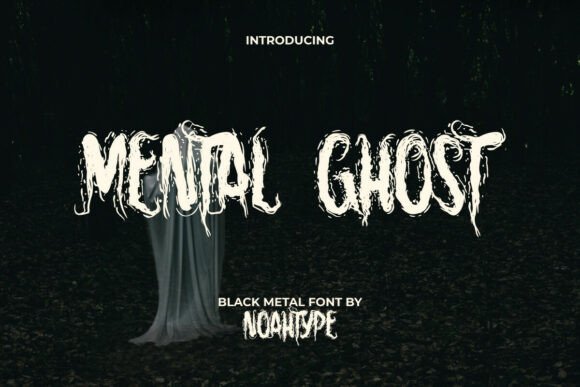
For designers and creators looking to evoke a sense of dread, intensity, and raw energy, Mentalghost offers a compelling typographic experience. This black metal-inspired horror display font from NoahType isn’t just another stylized typeface—it’s a bold statement. Whether you're crafting album art, horror-themed posters, or edgy brand identities, Mentalghost brings a unique flavor that can elevate your visuals when used correctly.
What Makes Mentalghost Unique?
Mentalghost stands out with its jagged edges, uneven spacing, and aggressive aesthetic, all rooted in black metal culture. Designed for high-impact visual communication, it's ideal for projects needing a visceral reaction. The font supports a wide range of multilingual characters and currency symbols, making it versatile for global use. Plus, its compatibility with major design software like Adobe Illustrator and Photoshop ensures smooth integration into most creative workflows.
Common Mistakes When Choosing or Using Mentalghost
Despite its striking appearance, Mentalghost isn't a one-size-fits-all solution. Many users make avoidable mistakes that compromise their design quality or usability. Here are some of the most frequent pitfalls:
- Using it for the wrong tone or context – Mentalghost is best suited for horror, metal, or extreme themes. Applying it to a soft brand identity or a corporate document can feel jarring and unprofessional.
- Overlooking legibility at small sizes – Due to its intricate, angular design, Mentalghost can become difficult to read when scaled down. It's best reserved for headlines or large-format applications like posters and banners.
- Ignoring software compatibility – While Mentalghost works well with Adobe software and standard OS tools like Font Book (Mac) and Character Map (Windows), some users may encounter issues with lesser-known design platforms or web frameworks if not properly embedded.
- Not checking licensing before use – Always verify the font’s licensing terms before using it in commercial projects. Some free or demo versions may restrict usage in professional settings.
How These Mistakes Impact Your Work
Choosing Mentalghost without considering its stylistic and functional limitations can lead to several issues:
- Brand misalignment – Using a horror-style font for a café or fashion brand can confuse your audience and dilute your message.
- Readability problems – If your audience can't easily read your text, they'll likely disengage, especially in marketing materials or signage.
- Technical glitches – Poor rendering or font fallbacks on websites can break the visual integrity of your design and harm user experience.
- Legal complications – Using a font without proper licensing can result in costly legal issues, especially in commercial print or digital media.
How to Use Mentalghost Effectively
To get the most out of Mentalghost without falling into common traps, follow these practical tips:
- Match the tone – Reserve Mentalghost for projects that demand intensity: horror films, metal band merchandise, dark-themed events, or alternative fashion brands.
- Use it for headlines – Keep it for large text elements where its design can shine. Pair it with clean, readable fonts for body text to maintain contrast and clarity.
- Test in multiple formats – Preview Mentalghost in different sizes and contexts before finalizing your design. Check how it appears in print, on screen, and on mobile devices.
- Ensure proper installation and embedding – Install the font via your system's native tools or design software to ensure full functionality. For web use, consider services like Adobe Fonts or self-hosting with proper licensing.
- Always verify licensing – Read the license agreement carefully. If you're unsure, reach out to the foundry or distributor for clarification.
Real-World Examples of Smart Usage
Consider how a music festival focusing on extreme metal genres might use Mentalghost in their promotional materials. The font would be ideal for the event name on posters, banners, and social media headers. However, for supporting text like dates, locations, and ticket details, a simpler sans-serif font would ensure legibility and professionalism.
Another example is a horror-themed podcast. The show’s logo and cover art could use Mentalghost to grab attention, while episode descriptions and website navigation should use a more readable font to keep the experience user-friendly.
What to Check Before Downloading or Buying Mentalghost
Before committing to Mentalghost, take a few minutes to verify the following:
- Font source – Download from reputable foundries or distributors to avoid malware or font piracy issues.
- Supported languages and symbols – Confirm that the font supports the characters you need, especially if your project involves multiple languages or currencies.
- Installation instructions – Most modern operating systems make font installation easy, but it's good to check if the font comes with any special setup requirements.
- Available formats – Make sure the font includes both OTF and TTF versions for maximum compatibility across platforms and software.
Final Thoughts
Mentalghost is more than just a font—it's a design tool that evokes strong emotion and sets a specific mood. When used appropriately, it can be a powerful asset for branding, marketing, and artistic expression. But like any specialized tool, it requires thoughtful application. By understanding its strengths and limitations, you can harness its full potential without compromising clarity, professionalism, or legal compliance.
Whether you're a seasoned designer or a creative just starting out, taking the time to evaluate how and when to use Mentalghost will lead to better results, fewer frustrations, and more impactful designs.