Moci: The Playful Display Font That Brings Joy to Typography
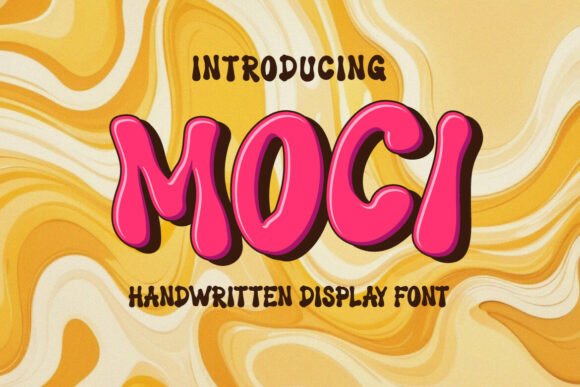
Typography shapes how we experience design, and Moci is a refreshing take on how a font can bring warmth and personality to any project. It's not just another pretty typeface — it's a carefully crafted display font that balances charm with versatility. Moci stands out with its soft curves, rounded edges, and expressive character, making it ideal for designs that need a touch of whimsy without sacrificing readability or professionalism.
What Makes Moci Unique?
Moci isn't your typical sans serif or serif font. It’s a display font designed to catch attention without overwhelming the viewer. Its rounded forms and gentle bounce give it a friendly, approachable feel. Each letter is intentionally shaped to feel cohesive yet distinct, allowing Moci to maintain clarity even at smaller sizes. Whether used in a logo design or a social media graphic, Moci adds a layer of warmth that many modern fonts lack.
One of the standout features of Moci is its personality. It walks the line between playful and polished, making it suitable for both lighthearted and more refined design contexts. Its curves aren’t exaggerated, which means it avoids looking childish or overly casual. Instead, it exudes a sense of confidence and charm that appeals to a broad audience.
Where Moci Shines in Design
Because Moci is a display font, it works best when used for headlines, titles, and short bursts of text rather than long paragraphs. That said, its flexibility allows it to be used across a wide range of design disciplines. Here are some areas where Moci truly comes to life:
- Brand identity: From logo design to packaging design, Moci adds a memorable visual signature that helps brands stand out.
- Editorial design: Whether in magazine covers or children’s book titles, Moci brings a sense of joy and accessibility to editorial layouts.
- Social media graphics: With its high readability and distinctive style, Moci makes captions and callouts pop on platforms like Instagram and Pinterest.
- Product packaging: Especially in children’s products or lifestyle brands, Moci enhances shelf appeal and emotional connection.
- Web design: When used sparingly in headers or buttons, Moci adds a unique flavor to digital interfaces without compromising usability.
Its multilingual support also makes Moci a strong choice for global projects, ensuring that your design maintains consistency across different languages and markets.
How Moci Influences Design and Audience Perception
Typography plays a subtle but powerful role in shaping how people perceive a brand or message. Moci’s personality influences that perception in a few key ways:
- Visual hierarchy: As a display font, Moci naturally draws the eye, making it perfect for establishing focal points in a design.
- Brand recognition: Its distinct look makes it easier for audiences to remember and recognize a brand or product.
- Audience engagement: The font’s friendly tone encourages a positive emotional response, especially in designs targeting younger or more casual audiences.
- Professionalism: While Moci feels playful, it’s also well-designed and balanced, which helps maintain a level of polish in commercial work.
When used thoughtfully, Moci can help create a consistent brand identity while still allowing for creative expression. It’s not just about looking cute — it’s about communicating warmth, approachability, and confidence through typography.
Practical Tips for Using Moci in Your Projects
Choosing the right font is more than just picking what looks nice — it’s about understanding how it functions within your design. Here are some practical considerations when using Moci:
- Evaluate your project’s tone: Moci works best in contexts that benefit from a sense of joy or lightheartedness. If your brand or message is more formal, consider using it sparingly rather than as a primary typeface.
- Test font pairings: Since Moci is a bold, expressive font, it pairs well with simpler, more neutral typefaces. Try combining it with a clean sans serif or a soft serif font for balance.
- Check included styles: Make sure to review the full character set and available weights. Moci may include stylistic alternates or ligatures that enhance its visual appeal in specific applications.
- Consider readability: Avoid using Moci for long-form text. Instead, reserve it for headlines, logos, or short slogans where its charm can shine without compromising legibility.
- Verify licensing: If you're using Moci for commercial purposes, always check the font’s license to ensure it's approved for your intended use, whether it’s for print, web, or product packaging.
Before committing to Moci for a major project, test it in different contexts — from print mockups to digital previews — to see how it behaves under various conditions. This will help you make an informed decision and ensure your design remains both functional and visually appealing.
Final Thoughts: A Font That Feels Like a Smile
Moci is more than just a pretty font — it’s a design tool that brings personality and warmth to any visual project. Whether you're a designer working on a brand identity or a small business owner crafting packaging for your latest product, Moci offers a unique blend of cuteness and professionalism. It’s a reminder that typography can be expressive, memorable, and fun without sacrificing quality or versatility.
If you're looking for a modern typography solution that feels fresh and approachable, Moci is worth exploring. Its combination of style, readability, and multilingual support makes it a valuable addition to your collection of design assets. And when used thoughtfully, it can elevate your work from good to genuinely engaging.