Babyschool Regular: A Playful Font with Practical Considerations
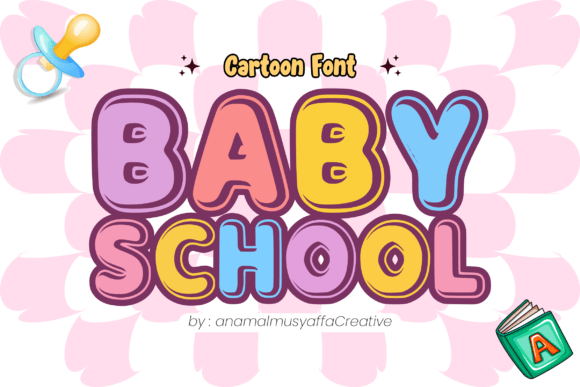
If you've ever tried to design something for children—be it a birthday card, a nursery wall decal, or a line of playful merchandise—you know how important the right font can be. Babyschool Regular is a modern children's display font that brings a sense of fun and clarity to your designs. With its bold, highly distinguishable characters, it's become a favorite among creators looking to add a youthful touch to their work. But like any design tool, using it effectively requires understanding its strengths and limitations.
What Makes Babyschool Regular Unique?
Babyschool Regular stands out for its charming, hand-drawn aesthetic. Each letter is designed to be clear and distinct, making it ideal for young readers or designs meant to be eye-catching at a glance. Whether you're printing on t-shirts, creating animated titles, or designing mugs and tote bags, this font adds a layer of personality that generic fonts can't match.
Its playful nature makes it especially popular in sublimation printing and digital illustration. However, this very charm can become a drawback if not used thoughtfully. Many users fall into common traps that undermine the font's effectiveness or even compromise the professionalism of their final product.
1. Using It for Long Blocks of Text
One of the most frequent misuses of Babyschool Regular is applying it to paragraphs or lengthy captions. While it's perfect for headlines and short phrases, its decorative style can make reading extended content tiring or confusing. This is especially true for younger readers who may still be developing reading skills.
Better approach: Reserve Babyschool Regular for titles, headings, or short labels. Pair it with a clean sans-serif font like Arial or Open Sans for body text to maintain readability and visual harmony.
2. Ignoring Licensing Terms
Many designers download fonts without checking the licensing agreement, and this can lead to legal issues, especially if you're using them for commercial projects. Some versions of Babyschool Regular are free for personal use only, and using them in a product you sell could result in unexpected costs or legal action.
Better approach: Always verify the license type before downloading. If you plan to use the font commercially, look for a version that explicitly allows for that, or purchase a commercial-use license from a reputable vendor.
3. Overlooking File Format Compatibility
Some users download a font expecting it to work across all their design software, only to find it doesn't render correctly in certain programs. Babyschool Regular typically comes in standard formats like .ttf or .otf, but not all platforms support both equally.
Better approach: Check which file types are included in your download and confirm compatibility with your software (e.g., Adobe Illustrator, Canva, Cricut Design Space). If needed, convert the font using a trusted tool or contact the provider for a different format.
4. Using It in Inappropriate Contexts
Because of its whimsical appearance, Babyschool Regular isn't always suitable for formal or professional settings. For example, using it in a business proposal or academic poster can make your design look unpolished or unprofessional.
Better approach: Consider your audience and context. If you're designing for children or a lighthearted brand, it's a great choice. For serious or formal projects, opt for a more neutral typeface.
How to Choose and Use Babyschool Regular Wisely
Before downloading or purchasing, take a moment to evaluate how well Babyschool Regular fits your specific project. Here are a few practical checks to help you make a better decision:
- Preview the font in context: Use online tools or your design software to see how it looks in your layout before committing.
- Check for alternate characters: Some versions of the font include stylistic alternates or ligatures that can enhance your design.
- Test legibility: Make sure the letters are easy to distinguish, especially if the design will be viewed from a distance or printed small.
- Consider scalability: Will the font remain clear when resized? Some decorative fonts lose clarity when scaled up or down significantly.
Real-World Examples: When It Works (and When It Doesn’t)
Imagine you're designing a custom t-shirt for a toddler's birthday party. Using Babyschool Regular for the phrase “Happy 3rd Birthday!” across the front would be a perfect fit—fun, readable, and age-appropriate. Pairing it with a playful illustration of balloons or animals would enhance the theme.
Now consider using the same font for a conference poster about early childhood education. The playful appearance might clash with the serious tone of the content, making your message seem less credible. In this case, a more restrained font would be better suited to the subject matter.
Final Thoughts: Use Babyschool Regular with Purpose
Babyschool Regular is a versatile and expressive font that can elevate your creative projects when used correctly. Its charm and clarity make it a go-to for designers working with children's themes or playful branding. But like any tool, it's most effective when applied with intention and awareness of its limitations.
By avoiding common pitfalls—like poor licensing choices, inappropriate use, or readability issues—you can ensure your designs are not only visually appealing but also functional and professional. Always test the font in your intended context, and don’t hesitate to pair it with simpler fonts for balance.
When you take the time to understand and respect the nuances of Babyschool Regular, you unlock its full potential and bring a touch of joy to your audience—whether they're young children or the young at heart.