Book Vintage: A Retro-Modern Font with Hidden Pitfalls
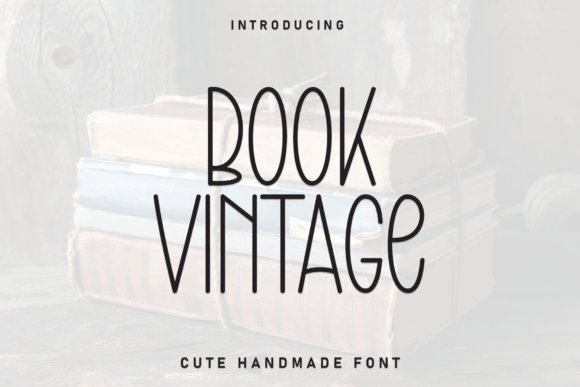
Book Vintage is more than just a stylish font; it's a carefully crafted display sans-serif that blends retro charm with modern readability. With its tall, condensed letterforms and softly rounded terminals, it offers a unique visual identity that stands out in headlines, branding, and creative projects. But despite its appeal, many users overlook key considerations that can affect how well it performs in real-world applications.
Why Book Vintage Appeals to Designers and Creators
At first glance, Book Vintage draws attention with its distinctive character. Its tall x-height and open counter-spaces make it surprisingly legible even at smaller sizes, which is rare for a condensed font. This makes it a tempting choice for logo design, editorial layouts, and digital banners where space is limited but clarity is crucial.
Additionally, Book Vintage is PUA encoded, meaning all its glyphs, swashes, and alternate characters are easily accessible in most design software without needing special plugins or advanced typographic knowledge. This feature alone makes it more approachable for beginners and time-crunched professionals alike.
Common Missteps When Using Book Vintage
Despite its thoughtful design, many users run into issues that diminish the font's effectiveness. These problems often stem from a lack of awareness about how to properly apply and evaluate the font for specific needs.
Mistake 1: Assuming It Works Well in Every Context
One of the most frequent errors is using Book Vintage in situations where its condensed structure becomes a drawback. For example, using it in body text or small interface elements can lead to cramped layouts and readability issues. While it's designed to be legible at small sizes, it still performs best as a display font — not for long-form reading.
Better approach: Reserve Book Vintage for headlines, titles, and short bursts of text. For longer content, pair it with a more open, traditional sans-serif that complements its style without competing for attention.
Mistake 2: Overlooking Kerning and Spacing Needs
Because of its condensed nature, Book Vintage can sometimes feel visually compressed, especially when used in all caps or with tight tracking settings. Designers who skip manual adjustments often end up with text that feels crowded or unbalanced.
Better approach: Always review spacing manually, especially in logo work or signage. A slight increase in letter spacing can dramatically improve legibility and visual harmony without altering the font's character.
Mistake 3: Not Checking Licensing Before Use
Another common oversight is assuming that because a font is available for download, it's free for commercial use. Book Vintage, like many high-quality typefaces, often comes with specific licensing terms that dictate how and where it can be used — especially in client work or product branding.
Better approach: Always verify the license before using the font in any project that generates revenue or represents a business. Some licenses may require an additional fee for web use, app integration, or large-scale print runs.
Mistake 4: Ignoring Alternates and Swashes in Design
Because Book Vintage includes swashes and alternate characters, not using them can result in a missed opportunity to enhance the font's retro-modern aesthetic. However, the opposite is also true — overusing them can make a design look cluttered or amateurish.
Better approach: Use swashes and alternates selectively, such as in logo initials or special headlines. Pair them with simpler text to maintain visual hierarchy and avoid overwhelming the viewer.
What to Check Before Downloading or Buying Book Vintage
Before committing to Book Vintage for a project, consider the following:
- Font format: Ensure the file format is compatible with your software (OpenType is generally the safest choice).
- Character set: Confirm it includes the necessary glyphs for your language and special symbols.
- Web use permissions: If you're embedding the font on a website, check if the license allows for webfont use and if it includes a @font-face kit.
- Support and updates: Some foundries offer ongoing support and font updates. Knowing whether you’ll receive future improvements can be valuable for long-term branding.
How to Pair Book Vintage Effectively
While Book Vintage has a strong personality, it pairs well with simpler, more neutral fonts. To maintain balance in your design:
- Choose a sans-serif with a similar x-height and weight for body text, such as a clean grotesque or humanist typeface.
- Avoid pairing with other condensed fonts unless you're aiming for a very tight, stylized layout.
- Use contrast to your advantage — Book Vintage works well with serif fonts in editorial design, creating a dynamic yet cohesive visual rhythm.
Real-World Example: When Book Vintage Shines
A local coffee shop wanted a modern retro logo that stood out on packaging and signage. They chose Book Vintage for the wordmark, adjusting the kerning slightly for better spacing and using a simple sans-serif for the tagline. The result was clean, memorable, and perfectly aligned with their brand personality — all without sacrificing readability.
Final Thoughts: Make Informed Choices with Book Vintage
Book Vintage is a versatile, well-designed font that brings a unique blend of retro and modern aesthetics to the table. But like any design tool, it works best when used thoughtfully. By avoiding common pitfalls — from context misuse to licensing oversights — you can ensure your designs not only look great but function well too.
Take the time to test the font in your intended application, explore its alternate characters, and double-check licensing terms. With a bit of care, Book Vintage can be a powerful asset in your typographic toolkit.