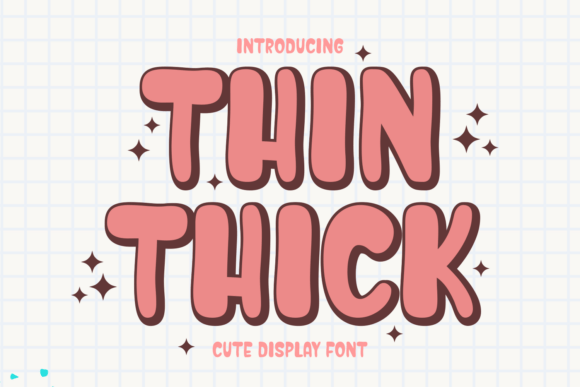
Thin Thick: Where Vintage Meets Modern Typography
Typography plays a crucial role in shaping how we perceive visual content. In a world where aesthetics and clarity are more important than ever, Thin Thick stands out as a font that effortlessly bridges the gap between nostalgia and modernity. Inspired by the charm of vintage design, this typeface brings a sense of warmth and character while maintaining the crispness and readability that today’s audiences expect.
The Unique Appeal of Thin Thick
At first glance, Thin Thick captures attention with its bold, chunky outlines and playful contrast between thin and thick strokes. This distinctive feature gives it a funky, retro vibe that’s both eye-catching and versatile. Whether you’re designing a logo, crafting a social media post, or printing on fabric, this font adapts with ease, offering a fresh visual rhythm that resonates across mediums.
Why Designers Are Turning to Thin Thick
In recent years, there’s been a growing appreciation for typefaces that evoke a sense of authenticity and personality. With the rise of independent brands, small businesses, and content creators, there’s a stronger demand than ever for fonts that feel unique yet professional. Thin Thick fits this need perfectly. Its vintage-inspired design appeals to those looking to convey a sense of history or craftsmanship, while its clean structure ensures it remains legible and modern.
Designers working in branding, fashion, and lifestyle industries are especially drawn to its dual nature. It can be used for everything from minimalist packaging to vibrant digital illustrations. The key is in how it balances visual flair with functional design, making it a go-to option for creatives who want to stand out without sacrificing usability.
Adapting to Modern Creative Workflows
As digital tools become more accessible and design workflows evolve, the need for adaptable typography has grown. Thin Thick thrives in this environment. Whether you’re using Adobe Illustrator, Canva, Figma, or even a basic word processor, this font integrates smoothly into modern design practices. Its chunky outlines hold up well in print and screen-based media, and its character spacing ensures readability even in smaller sizes.
- Social media content benefits from its bold presence, helping visuals pop in fast-scrolling feeds.
- Merchandise design, such as t-shirts and mugs, gains a retro-modern edge with minimal effort.
- Brand identity projects find a reliable companion in Thin Thick, especially when aiming for a nostalgic yet contemporary look.
How Thin Thick Fits Into Current Design Trends
The resurgence of retro aesthetics in design is not a passing trend but a reflection of deeper cultural shifts. Consumers are increasingly drawn to brands and visuals that feel personal, human, and rooted in story. Thin Thick taps into this desire by offering a font that feels familiar yet fresh, nostalgic yet relevant. It aligns with current trends in minimalist branding with a twist, where simplicity doesn’t mean sterility but rather thoughtful, expressive design.
Additionally, the rise of hybrid design — blending hand-drawn elements with digital polish — has made fonts like Thin Thick more appealing. Its chunky, almost hand-crafted outlines suggest a tactile quality that digital design often lacks, helping creators connect with audiences on a more emotional level.
Practical Applications for Everyday Users
You don’t have to be a professional designer to appreciate the flexibility of Thin Thick. Hobbyists, bloggers, educators, and small business owners can all find value in this typeface. Whether you're designing a birthday banner, a custom greeting card, or a simple flyer for your local event, Thin Thick adds an instant touch of style without overwhelming the message.
- Bloggers can use it for headers to create visually engaging posts.
- Teachers can incorporate it into classroom materials to make lessons more lively and engaging for students.
- Entrepreneurs launching a new brand can use it to establish a memorable visual identity that feels both approachable and refined.
Choosing the Right Context for Thin Thick
While Thin Thick is undeniably stylish, it’s best suited for short-form text and design highlights rather than long blocks of body copy. Its bold nature makes it ideal for titles, logos, and callouts where impact is key. Pairing it with a simpler sans-serif or serif font can create a balanced visual hierarchy that guides the viewer’s eye effectively.
For example, a local coffee shop might use Thin Thick for its storefront signage to evoke a retro café vibe, while using a clean, modern font for menu descriptions. Similarly, a fashion brand might incorporate it into limited-edition t-shirt prints to add a playful, vintage-inspired element.
The Evolution of Typography and the Rise of Thin Thick
Typography has always been a reflection of the times. From the ornate serifs of early printing to the sleek minimalism of the digital age, each era has its own typographic language. Today, we’re seeing a return to expressive, character-driven fonts — not as a rejection of modernism, but as a way to enrich it. Thin Thick is part of this evolution, offering a design that feels both timeless and contemporary.
What sets it apart is its ability to adapt without losing its identity. In a world where trends change rapidly, having a font that can be both nostalgic and forward-looking is a rare asset. It’s this duality that makes Thin Thick not just a passing choice, but a valuable addition to any designer’s toolkit.
Final Thoughts: Why Thin Thick Deserves a Place in Your Design Library
If you're looking for a font that combines personality with practicality, Thin Thick is worth exploring. It’s more than just a retro-inspired typeface — it’s a versatile solution for modern design needs. Whether you’re working on a branding project, a personal craft, or a digital campaign, this font brings a unique visual rhythm that enhances your message and connects with your audience.
As design continues to evolve and blend the past with the present, Thin Thick stands as a testament to the enduring power of thoughtful typography. It reminds us that style and substance can coexist, and that sometimes, the right font can make all the difference.