Virtual Graphic: The Future of Digital Typography in a Design-Driven World
In an era where visual communication dominates digital interaction, the choice of typography can make or break a brand’s identity. Enter Virtual Graphic — a font that transcends conventional design boundaries. Seamlessly integrated into the evolving landscape of technology and aesthetics, Virtual Graphic is more than just a typeface; it's a dynamic tool that bridges the gap between retro inspiration and futuristic innovation.
What Makes Virtual Graphic Stand Out?
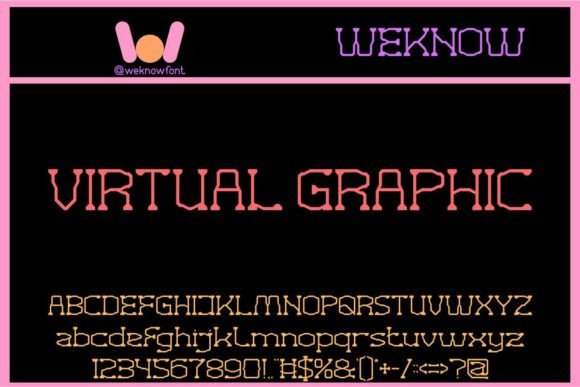
Virtual Graphic is an experimental display font that blends modular and polygonal design elements with a distinctly digital edge. Its structure echoes the clean precision of circuit boards and the bold aesthetics of sci-fi interfaces, making it ideal for digital-first applications. Whether used in branding, editorial design, or social media content, this font delivers a powerful visual punch while maintaining legibility and adaptability.
What sets Virtual Graphic apart is its ability to evolve with the medium it inhabits. From sleek robotics interfaces to high-fashion apparel branding, it adapts with ease, offering a modern yet nostalgic feel. Its roots in retro design themes give it a sense of familiarity, while its angular, futuristic lines push it into the realm of tomorrow’s design language.
Virtual Graphic in the Context of Modern Design Trends
The rise of digital minimalism and neon-infused retrofuturism has created a demand for fonts that can speak both the language of nostalgia and the dialect of innovation. Virtual Graphic thrives in this environment. As creators and brands seek to differentiate themselves in a saturated visual landscape, typefaces like Virtual Graphic offer a unique blend of character and functionality.
In the apparel industry, for instance, Virtual Graphic has been used to elevate streetwear branding — lending an edgy, tech-forward vibe to logos and packaging. In entertainment, it’s become a go-to for movie title sequences and music album covers that want to evoke a sense of digital rebellion or cyberpunk intrigue. Meanwhile, publishing and comic book design have embraced it for its ability to command attention without overwhelming the visual narrative.
Why Designers and Marketers Are Turning to Virtual Graphic
As digital platforms evolve, so do the expectations of audiences. Users now expect seamless, immersive, and visually cohesive experiences across websites, apps, and social media. Typography plays a critical role in delivering that experience. Virtual Graphic meets this demand by offering a font that is not only visually compelling but also functionally robust.
One of the key reasons for its growing popularity is its versatility. Unlike many display fonts that are limited to headlines, Virtual Graphic maintains clarity and impact even when scaled down or used in complex layouts. This makes it a favorite among UI/UX designers, brand strategists, and social media marketers who need typography that performs as well as it looks.
- Logos and brand identities benefit from its modular structure, allowing for custom variations that maintain brand consistency.
- YouTube intros and Instagram stories use Virtual Graphic to create high-impact visuals that stand out in fast-scrolling feeds.
- E-commerce websites incorporate it to enhance product descriptions and promotional banners with a futuristic flair.
How Virtual Graphic Aligns with Changing Creative Workflows
The modern creative workflow is fast-paced, iterative, and often collaborative. Designers need tools that can keep up with rapid prototyping and cross-platform deployment. Virtual Graphic’s integration into design software and web frameworks makes it an ideal candidate for these evolving needs.
With the rise of no-code platforms and AI-assisted design tools, accessibility to high-quality typography has never been greater. Virtual Graphic is frequently embedded in design templates and UI kits, allowing even non-designers to leverage its aesthetic power. This democratization of design is a major trend in today’s creative economy — and Virtual Graphic sits comfortably at its core.
Moreover, as responsive design becomes the standard, the font’s ability to maintain visual integrity across devices is a significant advantage. Whether viewed on a smartphone screen or a large-format billboard, Virtual Graphic retains its crisp, futuristic appeal.
Practical Applications Across Industries
From marketing agencies to tech startups, Virtual Graphic is being adopted across a wide range of industries. Here are some real-world applications that highlight its adaptability:
- Brand Identity: Startups in the AI and robotics sectors use Virtual Graphic to project a cutting-edge, forward-thinking image.
- Editorial Design: Magazines and online publications incorporate it into infographics and cover titles to add a contemporary edge.
- Entertainment: Music producers and film studios use it for promotional posters and digital trailers that demand attention.
- E-commerce: Apparel brands leverage its bold and stylish appearance in product packaging and digital ads.
Virtual Graphic and the Future of Digital Typography
As we move further into a world where digital experiences are increasingly immersive and interactive, the role of typography will only grow in importance. Fonts like Virtual Graphic are leading the charge by offering more than just aesthetic appeal — they deliver functional flexibility, emotional resonance, and technological compatibility.
With the rise of augmented reality (AR), virtual reality (VR), and 3D web interfaces, designers are looking for typefaces that can translate well into spatial environments. Virtual Graphic’s geometric structure and digital clarity make it a strong contender for these next-gen platforms. Its modular nature allows for easy adaptation into 3D renderings and motion graphics, ensuring it remains relevant in a rapidly evolving digital ecosystem.
Conclusion: Why Virtual Graphic Is More Than Just a Font
In a world where first impressions are often made in milliseconds, typography has become a critical element of user experience and brand perception. Virtual Graphic isn’t just another font in a designer’s toolkit — it’s a statement. It represents a fusion of past and future, of art and technology, of style and substance.
Whether you're a freelancer crafting a personal brand, a marketer launching a campaign, or a developer designing the next big app, Virtual Graphic offers a visual language that speaks to the modern digital age. It adapts to your needs, enhances your message, and elevates your design — proving that in today’s world, the right font can do more than just communicate — it can captivate.