Blade Recoil: A Bold Step Into the Future of Typography
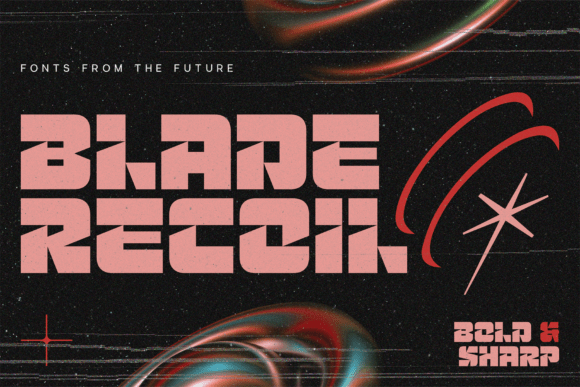
Blade Recoil is not just another font—it's a deliberate departure from the ordinary. Designed with an aggressive, angular structure and a compact form, this futuristic typeface is crafted for those who want their typography to command attention. Whether used in sci-fi posters, gaming interfaces, or experimental visual identities, Blade Recoil brings a distinct visual intensity that sets it apart from more conventional fonts.
What Makes Blade Recoil Unique?
At first glance, Blade Recoil stands out for its complete rejection of curves. Its letterforms are sharp, rigid, and deliberately boxy, giving it a mechanical, almost cybernetic feel. This design choice isn't just aesthetic—it's functional. The compact structure allows for high visual impact even in limited space, making it especially effective for titles and short-form text where presence matters more than readability over long passages.
Each glyph in Blade Recoil is engineered with a sci-fi sensibility, evoking imagery of off-world transmissions and high-tech interfaces. This makes it a natural fit for projects that aim to feel futuristic, speculative, or cutting-edge. Unlike many display fonts that lean into elegance or minimalism, Blade Recoil embraces a raw, angular power that feels more like a weaponized design tool than a decorative element.
When Blade Recoil Excels
Blade Recoil shines in environments where visual dominance is key. For example, in sci-fi movie posters, the font’s sharp edges and compact structure help reinforce a sense of tension and technological edge. Similarly, in video game interfaces, particularly those in the cyberpunk or dystopian genres, Blade Recoil can be used to great effect in menus, HUD elements, and title screens.
Branding for tech-forward products or services can also benefit from Blade Recoil’s futuristic tone. It works especially well when the brand identity leans into themes of innovation, disruption, or rebellion. Experimental visual identities, such as those found in avant-garde design collectives or speculative architecture firms, can also find a compelling typographic voice in Blade Recoil.
Comparing Blade Recoil to Similar Fonts
There are many futuristic fonts on the market, but few combine Blade Recoil’s specific traits of angularity, compactness, and visual aggression. Fonts like Eurostile or Banco have been used for decades in sci-fi and tech branding, but they tend to be more rounded and approachable. Blade Recoil, by contrast, removes all softness, creating a more intense and modern typographic presence.
Other brutalist or blocky fonts may share some of Blade Recoil’s characteristics, but they often lack the intentional sci-fi aesthetic that makes Blade Recoil feel like it belongs in a speculative future. Some alternatives may prioritize legibility or adaptability across different contexts, which can be a benefit in broader applications but may dilute the strong visual message Blade Recoil delivers.
Tradeoffs and Limitations
While Blade Recoil is powerful in the right context, it’s not a universal solution. Its sharp angles and compact design make it less suitable for long-form text or situations where readability at small sizes is essential. Using Blade Recoil in body copy or interface elements that require extended reading could lead to fatigue or reduced comprehension.
Additionally, its bold aesthetic may not align with more subtle or minimalist design directions. Brands or projects that aim for a softer, more human-centered approach may find Blade Recoil too aggressive or overwhelming. It’s also worth noting that the font’s distinctive style can easily dominate a design, so it should be used thoughtfully to avoid overshadowing other visual elements.
Blade Recoil vs. Other Futuristic Typography Approaches
Futuristic typography spans a wide range of styles, from sleek and minimal to chaotic and experimental. Blade Recoil falls firmly into the latter category, favoring structure and intensity over elegance or simplicity. In contrast, some futuristic fonts lean into geometric precision or fluid, organic forms that suggest motion and evolution rather than confrontation.
Designers exploring alternatives might consider whether their project benefits more from Blade Recoil’s structured aggression or a different flavor of futurism. For example, a clean, high-tech brand might prefer a minimalist sans-serif with subtle futuristic cues, while Blade Recoil would be more appropriate for a product launch that wants to feel disruptive or boundary-pushing.
Use Cases and Practical Examples
In poster design, Blade Recoil excels when the goal is to create a sense of urgency or otherworldliness. A sci-fi convention poster using Blade Recoil for its title immediately communicates a bold, futuristic tone. In gaming, the font can be used effectively in UI elements like weapon names, mission logs, or warning messages—areas where a sharp, industrial feel enhances immersion.
For branding, Blade Recoil works well when paired with high-contrast visuals and a limited color palette. A startup in the robotics or AI space might use Blade Recoil sparingly in logo treatments or promotional materials to signal innovation and precision. In motion graphics, the font’s angularity can be emphasized through animation techniques like glitch effects or dynamic transitions, further enhancing its futuristic appeal.
Deciding If Blade Recoil Is Right for You
Choosing Blade Recoil comes down to the tone and intent of your design. If you’re aiming for a look that’s uncompromising, forward-looking, and visually aggressive, Blade Recoil is a strong candidate. However, if your project requires a more balanced or accessible typographic voice, you may want to explore other options.
Consider the context in which the font will be used. Blade Recoil is best suited for short, impactful text where visual presence is more important than readability over time. It’s also ideal for projects that want to evoke a sense of technological intensity or dystopian realism. If your design leans into those themes, Blade Recoil offers a unique and compelling typographic solution that few other fonts can match.