Runxa: Command Attention with Bold Typography
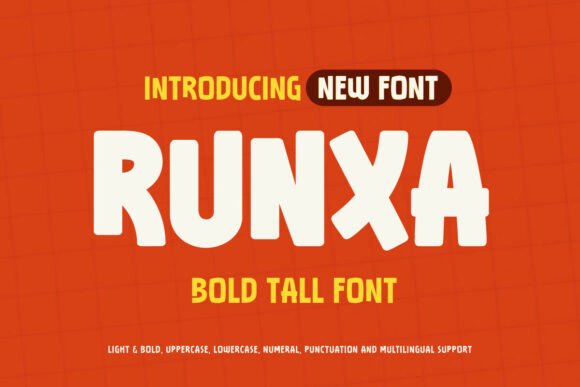
When it comes to making a strong visual impact, typography matters more than many realize. Runxa, a striking, bold, tall display font, was crafted specifically to stand out. With its extra-tall letterforms, commanding vertical presence, and thick strokes, Runxa isn’t just another font—it’s a design statement. It’s the kind of typeface that works well in high-visibility applications like posters, magazine titles, album covers, sports branding, and streetwear designs.
Why Runxa Stands Out
Designers and marketers often overlook the importance of font choice in shaping audience perception. Runxa fills a niche where clarity, presence, and style are non-negotiable. Its tall x-height and bold structure ensure legibility even at a distance, while its modern edge makes it ideal for branding that wants to feel dynamic and current.
However, despite its strengths, Runxa isn’t a one-size-fits-all solution. Like any design tool, it has its optimal use cases—and just as importantly, situations where it may not perform as expected.
Common Mistakes When Using Runxa
Many who download or purchase Runxa do so with high expectations, only to find their results fall short. Here are some common missteps and how to avoid them:
1. Using Runxa for Body Text
One of the most frequent mistakes is applying Runxa beyond its intended purpose. While its bold presence is ideal for headlines, using it in body copy can lead to poor readability and visual fatigue. The thick strokes and tall structure that give Runxa its strength also make it unsuitable for long-form text.
Better approach: Use Runxa exclusively for headlines, titles, or short bursts of text where impact is key. Pair it with a clean, simple sans-serif font for supporting content.
2. Ignoring Licensing Restrictions
Some users assume that because Runxa is available for download, it’s free for all uses. This isn’t always the case. Commercial use, especially in branding or merchandise, may require a specific license.
Better approach: Always check the licensing terms before using Runxa in a project. If you're unsure, contact the provider or opt for a version that clearly states its permitted use cases.
3. Overlooking File Formats
Runxa may be available in multiple formats (e.g., .otf, .ttf, .woff), but not all platforms or design software support every format equally. This can lead to compatibility issues during implementation.
Better approach: Confirm which file types you need based on your software and usage. If you're designing for the web, prioritize web-optimized formats like .woff or .woff2.
4. Poor Color and Background Pairing
Because of its thick strokes and tall structure, Runxa can appear overwhelming when placed on busy backgrounds or paired with complex color schemes. It’s easy to lose contrast and clarity if you’re not careful.
Better approach: Stick to high-contrast combinations—think white text on a dark background or bold black on a clean white backdrop. Avoid placing Runxa over textured or cluttered backgrounds unless you’re confident in your design skills.
How to Evaluate Runxa Before Committing
Before using Runxa in a live project, take time to test it in context. Many designers jump straight into implementation without previewing how the font behaves in different environments.
Here’s what to check:
- Legibility: Does the font remain clear at different sizes? Test it on both digital and print outputs.
- Compatibility: Does it render correctly across browsers and devices?
- Emotional Tone: Does it match the tone of your brand or message? Runxa feels bold and energetic—make sure that aligns with your intent.
- Licensing: Is the font allowed for the intended use? Always confirm before publishing.
Choosing the Right Context for Runxa
Runxa shines in environments where attention is the goal. It’s particularly effective in:
- Poster Design: Whether for concerts, events, or promotions, Runxa ensures your message is seen from a distance.
- Magazine Covers: The font’s tall, clean structure gives a modern edge to titles and headers.
- Branding for Sports or Streetwear: Its bold presence aligns with the energetic, high-impact nature of these industries.
However, avoid using Runxa in small-scale applications like mobile app buttons or website navigation menus. In these cases, subtlety and space efficiency are more important than bold presence.
Getting the Most from Runxa
Like any design tool, Runxa delivers the best results when used thoughtfully. Here are a few final tips to help you make the most of it:
- Pair it wisely: Use complementary fonts for secondary text. A clean, minimalist sans-serif balances Runxa’s boldness.
- Test in real-world applications: Don’t rely solely on screen previews. Print samples or view on different devices to assess legibility.
- Use spacing to your advantage: Runxa benefits from generous line spacing and letter spacing to avoid looking cramped.
- Be consistent: If you're using Runxa in a brand identity, apply it consistently across all materials to build recognition.
Conclusion
Runxa is more than just a font—it’s a design tool that commands attention and elevates visual communication. When used correctly, it brings clarity, strength, and modernity to your work. But like any powerful tool, it requires thoughtful application. By avoiding common mistakes and testing thoroughly before deployment, you’ll ensure that Runxa enhances your message rather than distracts from it.
If you're looking to make a bold statement in your next design project, Runxa could be the perfect choice—just make sure you understand its strengths, limitations, and best practices before you begin.